ITM INDUSTRY EUROPE 2026 - man at the heart of industry

Pubblicato il 18/09/2025
 ITM INDUSTRY EUROPE 2026 - man at the heart of industry

Halls full of new products, robots working hand in hand with humans, huge machining centres working at full speed, experts exchanging experiences and ideas—this is what the ITM INDUSTRY EUROPE 2026 trade fair promises to be. This event has been setting the pulse of modern industry in Poland and the entire region of Central and Eastern Europe for years. The upcoming edition will be unique not only in terms of scale, but above all thanks to new initiatives and thematic zones. The starting point for creating the ITM 2026 concept is the belief that HUMANS are the driving force behind all technological changes, and the fair provides a space for close meetings of people connected by industry. 

The focal point of the programme will be the thematic areas that have been the heart of the ITM INDUSTRY EUROPE trade fair for years: AUTOMA, MACH-TOOL, WELDING and SURFEX.

The division into four exhibitions, referring to the historical names of the fairs that accompanied the ITM fair in the past, is, on the one hand, a nod to tradition and, on the other, a way to meet the expectations of our exhibitors. We heard from them in business conversations that they felt the need to identify more with a specific industry. It was the companies we have been cooperating with for years that inspired us to create EXHIBITIONS based on brands already established among our exhibitors and visitors. Of course, the name of the ITM trade fair remains unchanged—it is the umbrella brand of the entire industrial bloc. Just like the slogan: INNOVATIONS, TECHNOLOGIES, MACHINES, continues to define the core of this event, says Joanna Kucharska, Director of the Product Group of Grupa MTP.

Automa-one of the four pillars of the exhibition
The AUTOMA Automation, Robotics and Pneumatics Exhibition is a space where the largest suppliers of modern solutions in the field of industrial process automation meet. Visitors can expect to see an exhibition of industrial robots, cobots and the latest solutions in pneumatics and control. The return of the zones that have been enjoying great popularity will be a particular attraction for participants. One of them is Pneumat Game, where you can feel the spirit of competition and test yourself in the pneumatic version of classic slot machines. These emotions and competitions for the maintenance staff will also be present in the 2026 edition. The Collaborative Robot Zone will also return.

As the exhibitors recall, a unique atmosphere prevailed in these spaces.

Michał Pniewski, who represented Schmalz—the main partner of the Collaborative Robot Zone, emphasised that the common space created by the partners was not only a place for presenting innovative technologies, but also a platform for exchanging experiences.

Visitors came with specific needs, and the conversations at the stands were substantive and often concerned real implementation projects. For visitors, the zone was a place where they could see innovative technologies and the operation of collaborative robots live. Interactive presentations and the opportunity to ask detailed questions to experts meant that participants left the stand feeling that they had gained new, practical knowledge and found solutions tailored to their needs. We are also pleased with the excellent cooperation between the zone's partners—together we have created a professional and coherent space showcasing the real possibilities of cobots, says Michał Pniewski.

MACH-TOOL-the centre of working machines
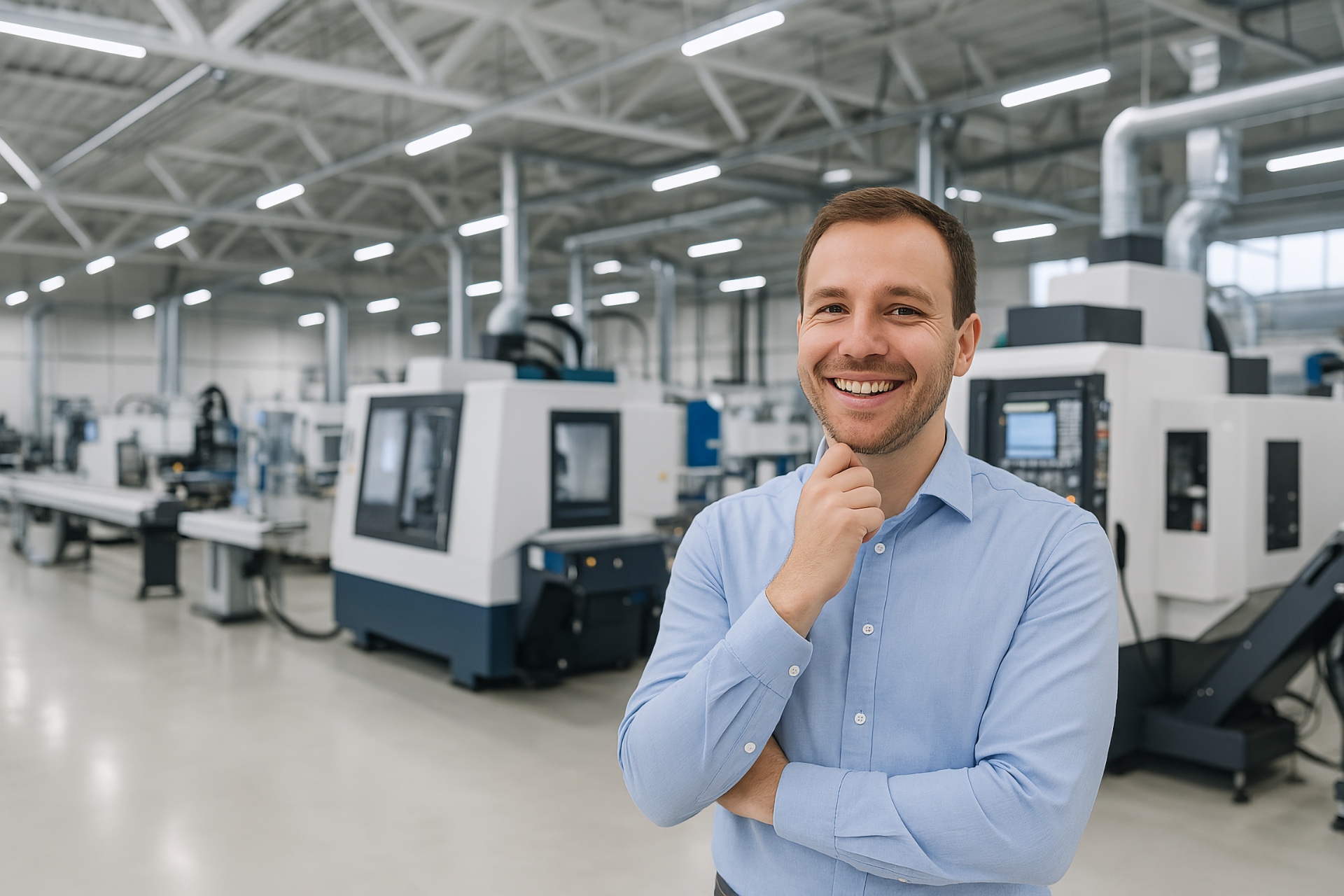
One of the pillars of the fair will also be the MACH-TOOL Exhibition, a space dedicated to machine tools and tools. This is one of those places where industrial tradition meets its most innovative face. Visitors will be able to see large-scale machining centres, modern milling machines, lathes and numerically controlled grinders, as well as innovative cutting tools in action. Visitors will be able to see large-scale machining centres, modern milling machines, lathes and numerically controlled grinders in action, as well as innovative cutting tools and sheet metal processing technologies—from precision lasers and punching machines to press brakes and lines for bending and thermal cutting. This is where you will discover how advanced laser systems and process automation are revolutionising the metal industry, ensuring speed, precision and efficiency in production.

Exhibitors prepare numerous live shows, which have been a key element of this exhibition for years—the noise of machinery and the smell of coolant are elements that create a unique atmosphere in this part of the exhibition and show industry at its most tangible.

SURFEX-Exhibition of Surface Treatment Technologies
The latest solutions in the field of painting, galvanisation, thermo-chemical treatment, and protective and decorative coatings will be on display at the SURFEX Exhibition. Companies operating in this sector are announcing the launch of their flagship products, which allow for increased durability and quality of components while reducing the environmental impact of the processes. SURFEX is a space particularly eagerly visited by representatives of the automotive, household appliances, aviation and construction industries who are looking for technologies that extend the life cycle of key components in their production lines.

WELDING-welding innovations
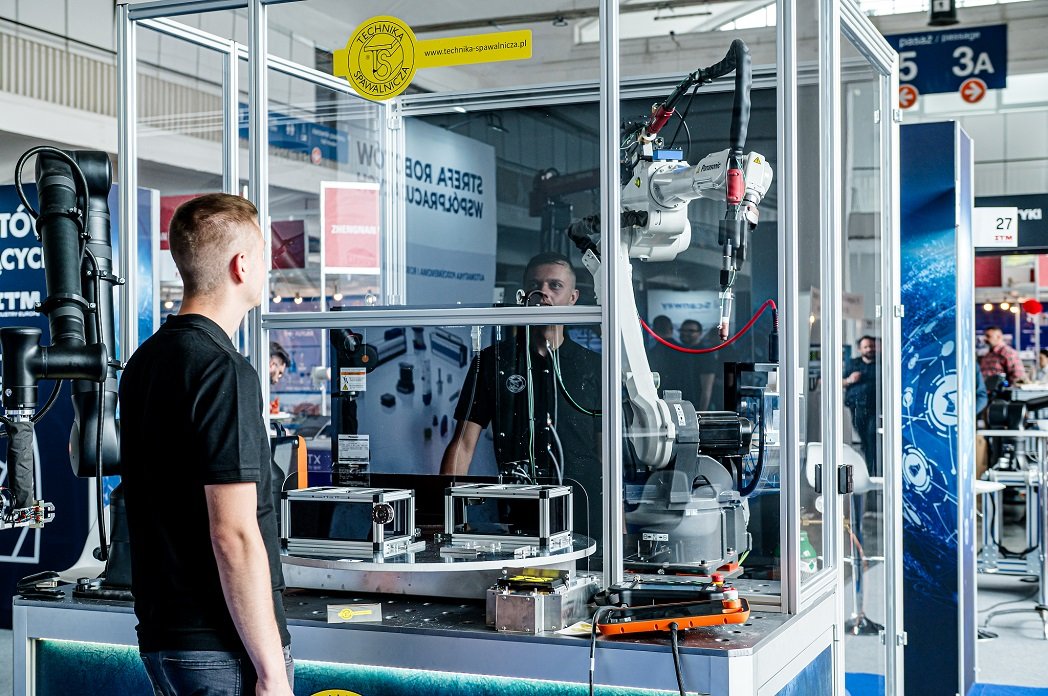
Exhibitors will present robotic welding stations, safety systems and solutions that revolutionise material joining processes at the WELDING exhibition—a place of welding innovations. This thematic space has been a place for intensive business talks for years, but also for practical presentations that attract both experienced welders and representatives of the technical staff of large production plants.

Demobuses and planned events
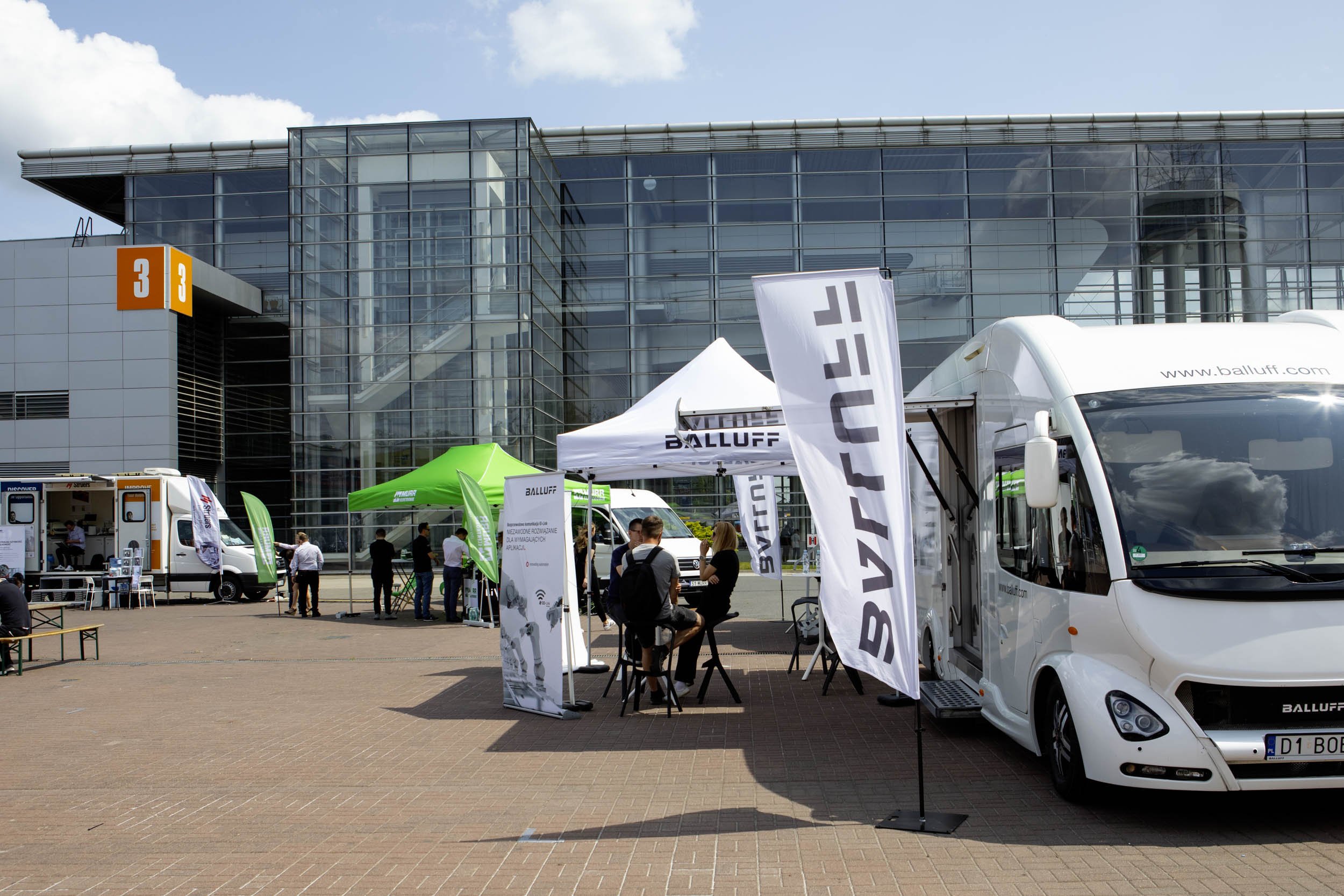
The DEMOBUS zone, which debuted during the ITM 2025 edition outside the exhibition halls, was very positively received by participants. The outdoor exhibition allowed for the presentation of industrial automation solutions in an accessible demonstration format, using specialised buses. The demobus zone is an interesting addition to the fair, and customers visited us with great interest. The most important condition is good weather, and this year it was perfect. The location was also perfect, as some people started or ended their day at the fair in the zone. The very form of presenting solutions is attractive and generates great interest, says Tomasz Dawid from Balluff.

In addition to the four main exhibitions, the organisers have also prepared several new programmes. In 2026, the following areas will debut: the Tool Zone, the Industrial Metrology Zone and the Industrial Application Zone, in which a special place will be occupied by companies offering solutions from the IT sector. There are also plans to prepare topics for the arms industry and launch certified training for narrow groups of recipients.

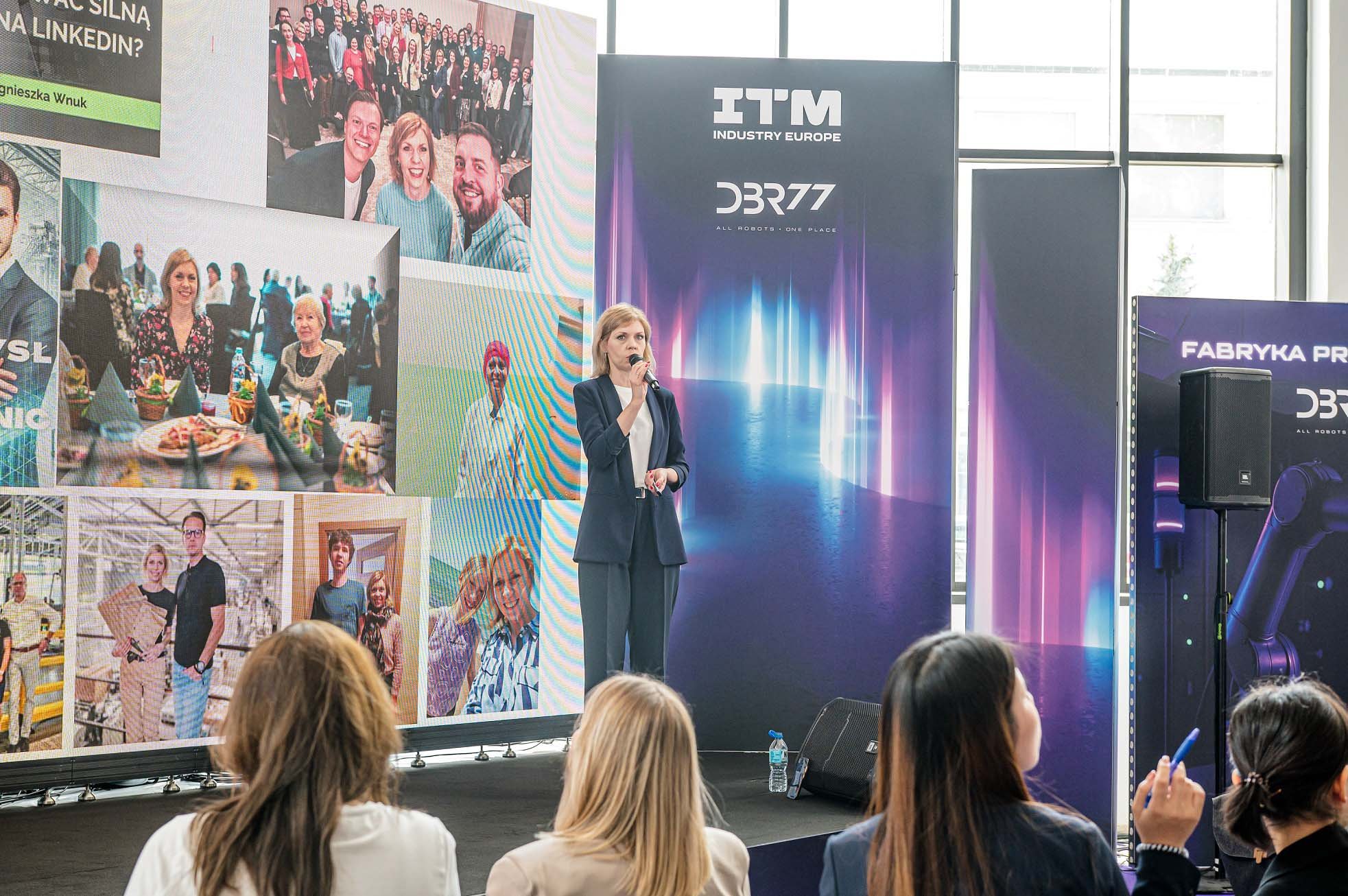
A strong highlight of the programme remains the 'Women Factories of the Future' conference, which in 2025 attracted a large group of participants and demonstrated that diversity and the role of women in industrial processes deserve a strong voice. The first edition of the 'Women Factories of the Future' conference proved to be a hit—it demonstrated that women in technical and industrial sectors not only support companies but actually co-create them. The best proof of this were the speakers who spoke with great power and authenticity on the DBR77 stage. Even though it was the first event of this type at the ITM trade fair, it attracted great interest. There's still a belief that the technical world belongs mainly to men—and we wanted to show that women also play key roles in it, says Agnieszka Wnuk, conference coordinator and B2B marketing expert.

The organisers, in cooperation with DBR77, are planning the next edition of the conference. Moreover, the prelude to this event will be a special edition of the popular LinkedIn Local meeting addressed exclusively to the industrial sector, scheduled for 9 October 2025 in Poznań. The partner of the meeting is the ITM INDUSTRY EUROPE trade fair. 

New graphic theme for the ITM trade fair
The 2026 edition also begins communication with a completely new graphic theme.

The starting point for the project was the assumption that humans are always at the centre of industry. They are the driving force behind change, the creators of innovation, and the guarantors that even the most advanced technologies and machines will not be created without human vision. The new identity, inspired by fingerprints, combines the symbolism of human individuality with an industrial character. We hope this will be a unique message for the entire industry, Joanna Kucharska reveals the secrets of the new concept.

A meeting that connects
ITM INDUSTRY EUROPE 2026 promises to be not only the largest, but also the most diverse industrial event in this part of Europe. Four days of trade fairs, hundreds of exhibitors and thousands of visitors will meet again in Poznań to discover modern technologies and solutions together. The organisers pay special attention to the trust of participants. The results of the satisfaction survey among those participating in 2025 confirm that nearly 85 percent of respondents would recommend the event to others, and over 85 percent declare their participation in 2026. The organisers' optimism is further strengthened by the latest market data. The eurozone manufacturing PMI stood at 50.7 points in July 2025, marking the first time in over three years that it has returned above the threshold of 50.

ITM INDUSTRY EUROPE will be held on 26-29.05.2026 on the fairgrounds of MTP Poznań Expo. The exhibition of the Modernlog and Subcontracting fairs will be available simultaneously.
Per maggiori informazioni: ITM Industry Europe
 ITM INDUSTRY EUROPE 2026 - man at the heart of industry
 ITM INDUSTRY EUROPE 2026 - man at the heart of industry
 ITM INDUSTRY EUROPE 2026 - man at the heart of industry
 ITM INDUSTRY EUROPE 2026 - man at the heart of industry

Altri articoli che potrebbero interessarti

Nel 2025 l’export di valvole e rubinetteria ha raggiunto i 6,2 miliardi di euro (+5,2% rispetto al

Avr – Associazione italiana costruttori valvole e rubinetteria protagonista a MCE – Mostra Convegno Expocomfort, svoltasi dal 24 al 27 marzo a Milano Nel 2025 dopo anni di contrazione, l’export di valvole e rubinetteria a uso civile verso la Germania torna in territorio positivo, con un valore pari a 153 milioni di euro e una crescita del 12% rispetto al 2024 e del +20% rispetto al 2020. L’Arabia Saudita è il primo Paese di destinazione per ricavi, seguita dagli Stati Uniti e dalla Cina;Restano alte le preoccupazioni per l’impatto dell’instabilità geopolitica su mercati strategici come il Medio Oriente, un’area che nel complesso vale per il solo comparto delle valvole e rubinetteria a uso civile 874,9 milioni di euro;Tra le altre preoccupazioni si segnalano l’aumento dei costi energetici, l’instabilità valutaria, l’incertezza sui dazi, le difficoltà logistiche, l’assenza di una reale libera circolazione delle merci e un quadro normativo europeo non ancora chiaro, spesso percepito come poco aderente alle esigenze dell’industria;AVR, alla presenza di 13 associazioni internazionali aderenti all’International Valves and Taps Alliance, propone di realizzare la nascita del primo “Forum mondiale dedicato alle valvole e alla rubinetteria”.Il settore italiano delle valvole e dei rubinetti si conferma un’eccellenza a livello internazionale. Secondo i dati dell’Ufficio Statistica di Anima Confindustria divulgati da Avr - Associazione italiana costruttori valvole e rubinetteria federata ad Anima, - durante MCE–Mostra Convegno Expocomfort, nel 2025 il valore dell’export del comparto valvole e rubinetterie (comprende valvole per building, valvole industriali, rubinetteria sanitaria e raccordi) ha raggiunto quasi 6,2 miliardi di euro, in crescita del 5,2% sul 2024, con una stima di fatturato totale di 9,55 miliardi di euro. Per quanto riguarda le sole valvole e rubinetteria a uso civile, il valore dell’export ha superato i 3,2 mld di euro (+6% sul 2024). Considerando le sole valvole e rubinetteria a uso civile, nel 2025 l’Arabia Saudita è il primo Paese di destinazione, seguita dagli Stati Uniti e dalla Cina. Tra i Paesi, il mercato tedesco, dopo anni di contrazione, torna in territorio positivo, con un export pari a 153 milioni di euro e una crescita del 12% rispetto al 2024, e del +20% rispetto al 2020, riaffermandosi come mercato di riferimento per l’export italiano di valvole e rubinetteria a uso civile. Un andamento che può offrire un contributo importante al comparto a livello europeo e bilanciare, almeno in parte, l’impatto dell’instabilità geopolitica su mercati strategici come quelli del Medio Oriente, un’area che nel complesso vale per l’Italia 874,9 milioni di euro. Non solo, sempre per l’export, tra i paesi che hanno registrato le performance più positive nel 2025, spicca anche la Norvegia, con un incremento pari al +59%. Oltre all’instabilità geopolitica e al relativo impatto su mercati strategici, quali sono le altre preoccupazioni per gli imprenditori del settore? Il 2026 dovrà fare i conti anche con l’aumento dei costi energetici, l’instabilità valutaria, l’incertezza sui dazi, le difficoltà logistiche, l’assenza di una reale libera circolazione delle merci e un quadro normativo europeo non ancora chiaro, spesso percepito come poco aderente alle esigenze dell’industria. In uno scenario articolato come questo, diventa fondamentale rafforzare il dialogo e la collaborazione oltre i confini nazionali, creando occasioni concrete di confronto e cooperazione tra imprese, istituzioni e associazioni di categoria. L’obiettivo è affrontare in modo condiviso temi sensibili per il settore (come PFAS, nucleare e piombo) e individuare soluzioni e best practice comuni, riconosciute e adottate a livello internazionale. È proprio in questa direzione che si inserisce l’impegno di AVR, che propone di realizzare il primo Forum mondiale dedicato alle valvole e alla rubinetteria. Un incontro che ha l’obiettivo di valorizzare le esperienze internazionali e offrire strumenti condivisi per affrontare le principali sfide comuni a tutte le imprese che operano nei Paesi del mondo. “Il settore italiano delle valvole e della rubinetteria si conferma un punto di riferimento a livello internazionale, grazie a una capacità manifatturiera altamente specializzata, a un forte orientamento all’innovazione e a una presenza consolidata nei principali mercati esteri – dichiara Sandro Bonomi, Presidente di AVR –. I dati del 2025 confermano la solidità del comparto, ma evidenziano al tempo stesso quanto il quadro globale resti complesso e in continua evoluzione. In questo scenario, per un settore fortemente orientato all’export come il nostro, è fondamentale poter contare su condizioni che sostengano la competitività delle imprese e ne accompagnino la presenza sui mercati internazionali. Il confronto avviato a MCE con la International Valves and Taps Alliance va proprio in questa direzione: rafforzare il dialogo tra i principali interlocutori del comparto e condividere una visione comune sulle sfide industriali, tecniche e commerciali che ci attendono.”AVR è l'associazione industriale federata ANIMA Confindustria che rappresenta le aziende italiane del settore valvole e rubinetteria, con oltre 80 aziende associate. Nel 2025 il comparto, che comprende valvole per building, valvole industriali, rubinetteria sanitaria e raccordi, ha raggiunto un fatturato di 9,55 miliardi di euro, con una quota export di quasi 6,2 miliardi di euro, più del 60% dei ricavi totali (stima dell’Ufficio Studi di Anima Confindustria).Le associazioni aderenti all’International Valves and Taps Alliance:AVR – Associazione Italiana Costruttori Valvole e Rubinetteria, AGRIVAL (Spagna), BVAA (Regno Unito), CIPHE (Regno Unito), EVOLIS (Francia), FLUIDEX (Spagna), IAPMO (USA), JVMA (Giappone), POMSAD (Turchia), SAI, Valves and Fittings (Svezia), SPAP (Polonia), URS (Svizzera), VDMA (Germania), VMA (USA).ANIMA Confindustria Meccanica Varia è l'organizzazione industriale di categoria che, all’interno di Confindustria, rappresenta le aziende della meccanica varia e affine, un settore che occupa 221.700 addetti per un fatturato di 56 miliardi di euro e una quota export/fatturato del 60% (dati Ufficio Studi Anima). I macrosettori rappresentati da ANIMA sono: edilizia e infrastrutture; movimentazione e logistica; produzione alimentare; produzione di energia; produzione industriale; sicurezza e ambiente.

02/04/2026 Leggi di più

Transizione 5.0, anima confindustria “l’esito dell’incontro al mimit rappresenta un traguardo

Si apre una fase positiva per le imprese del piano Transizione 5.0: dopo l’incontro con il ministro Adolfo Urso, confermato il ripristino delle misure a sostegno dell’innovazione Si è conclusa con esito favorevole la delicata questione degli “esodati” dal piano Transizione 5.0, ovvero quelle realtà che hanno presentato validamente la domanda di accesso ai crediti d’imposta dopo il 7 novembre 2025. La riduzione drastica del 65% sui crediti d’imposta, prevista dalle ultime disposizioni del Decreto fiscale e che aveva generato forti preoccupazioni e mobilitazioni nel mondo industriale, è stata sostanzialmente superata grazie al dialogo costruttivo tra istituzioni e imprese. L’incontro è avvenuto l'1 Aprile presso la sede del Mimit tra i ministri Adolfo Urso, Tommaso Foti, il viceministro Maurizio Leo, Confindustria e altre associazioni imprenditoriali. Durante il confronto, il Governo ha ribadito l’impegno a mantenere gli impegni assunti, confermando che tutte le domande correttamente presentate saranno accolte. Questo passo permette di preservare la continuità degli investimenti e delle progettualità innovatrici alla base del programma Transizione 5.0, destinato a rafforzare la competitività del sistema produttivo nazionale. Il ripristino del sostegno economico alle imprese coinvolge risorse sufficienti per garantire la copertura finanziaria delle richieste. Pietro Almici, presidente di Anima Confindustria, ha commentato con soddisfazione «L’esito di questo confronto segna un traguardo fondamentale nel percorso di dialogo tra istituzioni e rappresentanti delle imprese. Ringraziamo, in modo particolare, il ministro Adolfo Urso per la disponibilità dimostrata e il vicepresidente di Confindustria per le Politiche Industriali e il Made in Italy, Marco Nocivelli, il cui ruolo è stato decisivo nel facilitare questa collaborazione. Il mantenimento degli impegni sul piano Transizione 5.0 è fondamentale per permettere alle nostre aziende di proseguire sulla strada dell’innovazione e della sostenibilità, elementi imprescindibili per la crescita del nostro sistema industriale. Confidiamo, adesso, in una rapida pubblicazione dei decreti attuativi relativi all’Iperammortamento».ANIMA Confindustria è l'organizzazione industriale di categoria che, all'interno di Confindustria, rappresenta le aziende della meccanica varia e affine, un settore che occupa 224.006 addetti per un fatturato di 59,1 miliardi di euro e una quota export/fatturato di circa il 60% (previsioni 2025 Ufficio Studi Anima). I macrosettori rappresentati da ANIMA sono: edilizia e infrastrutture; movimentazione e logistica; produzione alimentare; produzione di energia; produzione industriale; sicurezza e ambiente.

02/04/2026 Leggi di più

Export di acciaio in frenata anche nel 2025

Le esportazioni in discesa per il terzo anno consecutivo. L’analisi dell’Ufficio Studi siderweb L’export italiano di acciaio (prodotti della siderurgia, tubi e altri prodotti della prima trasformazione) si è confermato in discesa anche nel 2025. Lo scorso anno le esportazioni siderurgiche sono infatti scese in valore del 5,7% rispetto al 2024, passando da 20,9 miliardi di euro a 19,7 miliardi di euro. Questo quanto emerso dai dati pubblicati da Istat e rielaborati dall’Ufficio Studi siderweb.Risultati, causati da un progressivo calo sia delle quotazioni che delle quantità vendute, che registrano quindi la terza frenata consecutiva dopo il biennio di crescita 2021-2022 (chiuso con un +51,7% e +23,8%).L’export è calato della stessa misura dell’import, che ha perso anch’esso il -5,7% (21,1 miliardi di euro). L’Italia si è quindi confermata importatrice netta per circa 1,4 miliardi di euro.Guardando ai dati per provincia, si rileva che le prime 20 province dell’acciaio nazionali hanno esportato acciaio per 16,3 miliardi di euro, con una contrazione del 5,1% rispetto ai 17,2 miliardi di euro del 2024. Si conferma la predominanza dei distretti lombardi nella Top 10, consolidando la geografia dei poli produttivi dell’acciaio italiani che si è venuta a creare dopo la crisi del 2008-2009.Variazioni più alte della media sono state registrate dai poli di Genova (+8,3%), salita al 18esimo posto; Ravenna (+7,7%), salita in 11esima posizione; Verona (+5,5%), scesa di un gradino a 12esimo posto; Brescia (+2,0%), stabile al vertice.Le province che hanno mostrato le performance negative significativamente più alte sono state quelle di Mantova (-14,9%), che ha perso una posizione e si è classificata quarta; Milano (-12,8%), stabile al sesto posto; Lecco (-12,1%), arretrato in nona posizione; Aosta (-11,8%), confermatasi 13esima.Nella top 3 c’è stato dunque un avvicendamento rispetto al 2024: al primo posto si è confermata ancora la provincia di Brescia, seguita da Udine e Cremona. Brescia ha venduto fuori dall’Italia acciaio per 1,9 miliardi di euro, in crescita del 2% rispetto al 2024. A sostenere il parziale recupero del polo bresciano, dopo i cali dello scorso anno, sono state le performance positive di tutte e tre le categorie delle esportazioni: prodotti della siderurgia (+0,5%), tubi (+7,4%) e altri prodotti della prima trasformazione dell’acciaio (+4%).Al secondo posto c’è Udine, con un valore di 1,8 miliardi di euro, in frenata del 4,7%. Un risultato che ha portato la provincia friulana ad aumentare la sua distanza rispetto a Brescia, con la differenza tra le due aree passata da circa 3 milioni a 127 milioni di euro. I cali sono derivati dalla contrazione delle spedizioni dei prodotti della siderurgia (-4,3%) e agli altri prodotti della prima trasformazione dell’acciaio (-8,2%).La provincia di Cremona, infine, ha guadagnato una posizione rispetto al 2024 (superando Mantova) e ha registrato esportazioni per un valore di 1,5 miliardi di euro, con una diminuzione del 2,8% annuo. In particolare, il polo cremonese ha evidenziato un aumento delle vendite di prodotti della siderurgia (+3,2%), che ha attenuato il calo di oltre l’8% delle esportazioni di tubi.Taranto (sede di Acciaierie d’Italia) per il secondo anno consecutivo è rimasta fuori dalla Top 20. Il suo export in valore è passato dai 362 milioni di euro del 2022, ai 281 milioni del 2023, ai 70,4 milioni di euro del 2024 (-75%) fino ai 42,0 milioni del 2025, con un crollo del 40,3% rispetto all’anno precedente.Terni (sede di Arvedi Ast) ha guadagnato una posizione grazie alla diminuzione delle esportazioni (-7,3%) inferiore a quella del polo di Lecco (-12,1%). Le esportazioni di prodotti della siderurgia sono diminuite del 7,8% e quelle di tubi del 20,8%, mentre le vendite di altri prodotti della prima trasformazione dell’acciaio sono aumentate del 19,7%.Livorno (dove a Piombino opera JSW Steel Italy), ha abbandonato la 23esima posizione del 2024 ed è tornata in Top 20, posizionandosi 19esima. Nel 2025 il valore dell’export del polo livornese è stato di 188 milioni di euro, in calo del 4,6% a causa delle frenate dei prodotti della siderurgia e delle vendite all’estero di tubi.

27/03/2026 Leggi di più
Iscriviti alla nostra newsletter
per rimanere aggiornato sulle ultime notizie del mondo industriale
Contattaci
Immagine Newsletter LIndustriale
Dati Legali

L'industriale s.r.l.
P. IVA: 12212870153
Codice Fiscale: 12212870153

Sede Legale

Via Carlo Dolci, 32
20148 Milano (MI)
Italy

Registro Imprese

Iscrizione R.I.: 12212870153
REA: MI-1539011
Capitale sociale: Euro 10.400,00 i.v.

Top
Questo sito è protetto da reCAPTCHA pertanto si applicano le norme sulla privacy ed i termini di servizio di Google.